
On the morning of October 29, 2025, Fatuma Mwalimu, a schoolteacher in Dar es Salaam, queued with hope. She had spent weeks talking with neighbors, debating policies, and planning her vote.
“I believed my voice could matter,” she said. “I believed change was possible.”
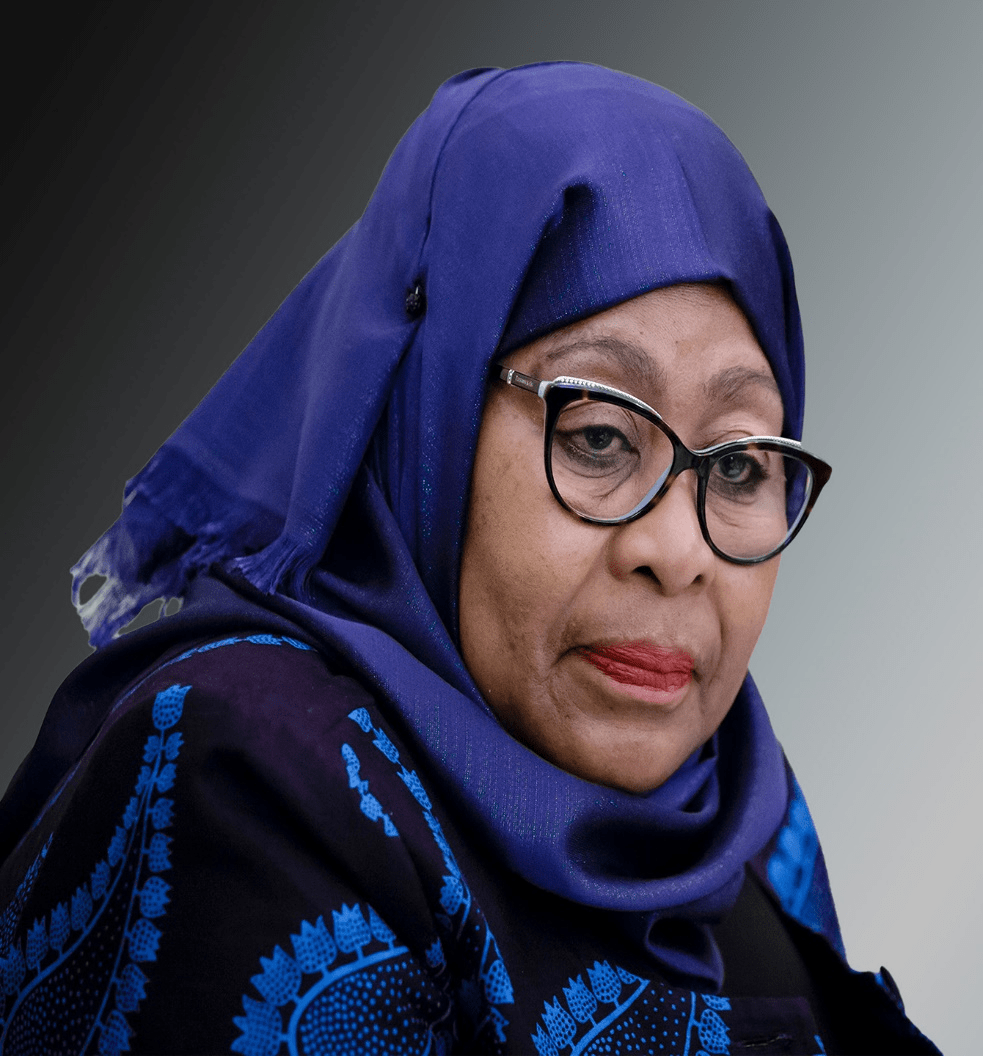
By the evening, that hope had been crushed. President Samia Suluhu Hassan of the ruling Chama Cha Mapinduzi (CCM) was declared the winner with nearly 98 percent of the vote—an outcome many called impossible in a truly competitive democracy. Fatuma and millions of others felt the result was preordained.
Before the first ballots were cast, the field had been narrowed. Tanzania’s two strongest opposition contenders were barred: CHADEMA refused to sign a controversial code of conduct and was excluded, while ACT-Wazalendo’s candidate was disqualified on technical grounds. “They left us no choice,” said John Mboya, a CHADEMA supporter. “It wasn’t an election. It was a performance.”
Across the country, observers reported ballot-stuffing, multiple ballots handed to single voters, and polling stations operating without opposition agents. A nationwide internet blackout blocked real-time reporting and curtailed transparency. The African Union mission concluded: “The 2025 Tanzania General Elections did not comply with AU principles…for democratic elections.” The Southern African Development Community said in many areas, voters “could not express their democratic will.”
When protests erupted in cities like Dar es Salaam and Mwanza, the government responded with force. Curfews were imposed, the internet remained shut, and hundreds were arrested. CHADEMA estimates that at least 700 people were killed in the unrest. Their spokesperson said: “In Dar, around 350; Mwanza, over 200; elsewhere, the total may reach 700.”
Even abroad, the election drew scrutiny. Kenyan President William Ruto remarked, “In a democracy, for example in Kenya, you can never get 96 percent.”
For citizens like Fatuma, the numbers are more than statistics—they are a measure of lost trust. “We lined up for democracy, but what we got was silence,” she said.
Observers said that Tanzania’s 2025 elections were not just a vote; they were a test of democratic integrity. And by many accounts, the test was failed. The country now faces a hard question: can faith in the system be rebuilt, or has the precedent of an uncontested, tightly controlled election been set for the future?
