Across the sweeping rangelands of northern Kenya, a powerful model of conservation continues to take root—one that is redefining how the world approaches biodiversity protection. At the centre of this transformation is the Northern Rangelands Trust (NRT), working alongside communities to secure a future where people and wildlife thrive together.
In 2025, this model proved its resilience and relevance more than ever.
Spanning over 6 million hectares and uniting 47 member conservancies, NRT-supported landscapes now play a critical role in safeguarding Kenya’s biodiversity. These community-managed areas host approximately 65% of the country’s wildlife, positioning them as some of the most important conservation landscapes not only nationally, but globally .
Yet the true strength of this model lies not in the scale of land—but in the people who protect it.
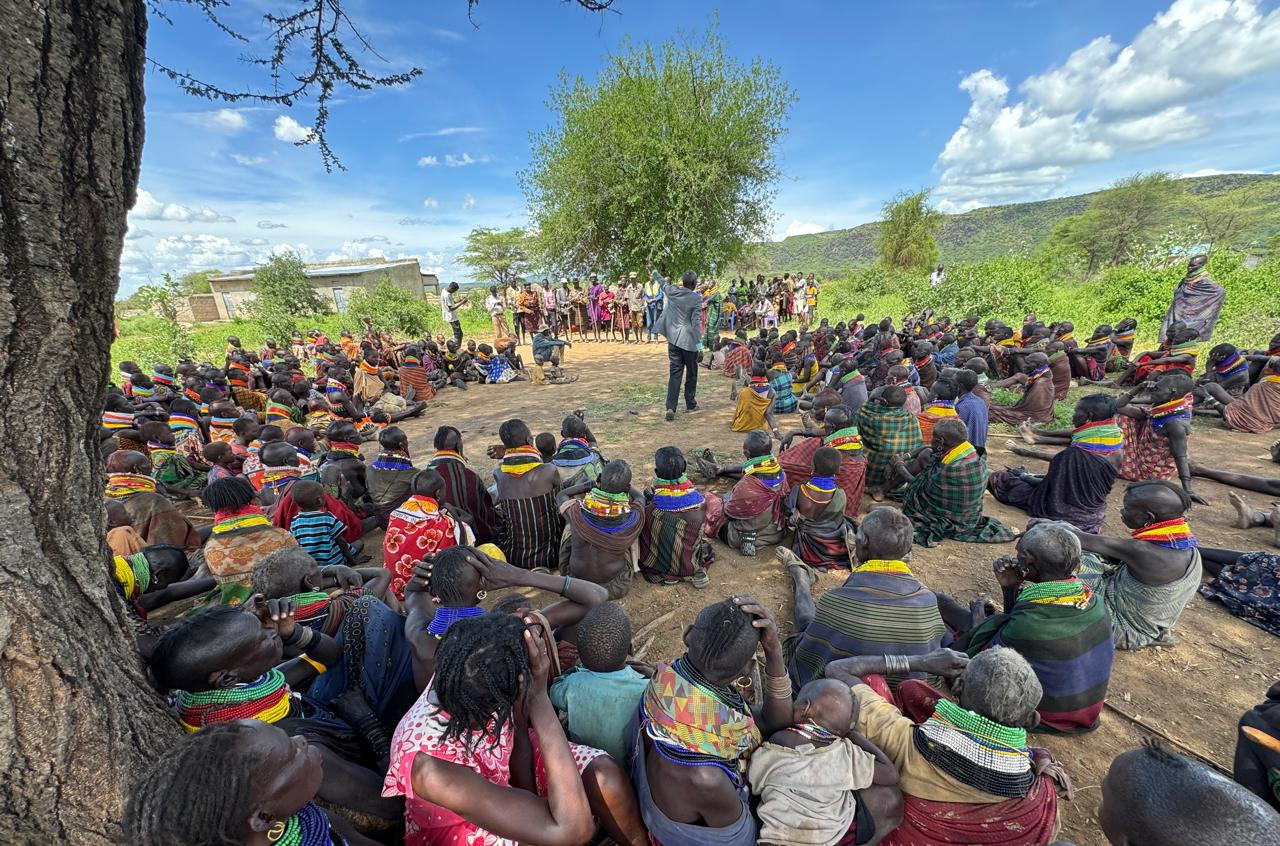
Community conservancies across the NRT network are led by local institutions, supported by trained scouts, and guided by indigenous knowledge systems that have evolved over generations. These systems ensure that conservation is not imposed, but owned—rooted in local priorities, cultural values, and long-term sustainability.
This approach has delivered measurable outcomes.
In key conservation areas such as Sera Community Conservancy, community-led efforts have enabled the recovery of critically endangered species like the black rhino. The Sera Rhino Sanctuary, East Africa’s first community-owned rhino sanctuary, continues to demonstrate exceptional success, recording steady population growth and consistent births. These achievements are underpinned by rigorous monitoring, strong partnerships with national agencies, and unwavering community commitment.
Similarly, elephant populations across the Samburu-Laikipia ecosystem continue to show encouraging signs of recovery, supported by improved protection, habitat connectivity, and reduced poaching pressures. Community scouts—often the first responders in wildlife emergencies—play a critical role in this success, using advanced monitoring systems to track wildlife, identify threats, and inform adaptive management strategies.
These efforts extend beyond flagship species. Across the NRT landscape, endangered primates, giraffes, and antelope species are being actively protected, with community conservancies providing essential habitats, migration corridors, and breeding grounds.
For the leadership of NRT, these outcomes reflect a deeper strategic shift.
As Board Chairman Dr. Julius Kipng’etich emphasizes, the organization is moving towards a model that places communities firmly at the centre:
“NRT 2.0 places communities at the heart of economic development, ensuring that progress is not only sustainable but locally driven.”
This transition—from direct implementation to facilitation—is redefining NRT’s role. It is no longer just about delivering conservation programmes, but about strengthening institutions, enabling governance, and unlocking opportunities that allow communities to lead their own development pathways.
Even in the face of global funding shifts and operational restructuring in 2025, conservation outcomes remained strong. This resilience speaks to the maturity of the community conservancy model and its ability to withstand external shocks.
CEO Vishal Shah captures this reality with clarity:
“The challenges we have faced have not weakened our resolve—they have sharpened it, the organisation has picked up massive lessons that makes us better together with the communities that we serve.”
Indeed, 2025 has reaffirmed a fundamental truth: conservation anchored in community ownership is not only effective—it is sustainable.
Looking ahead, the Northern Rangelands Trust continues to build on this foundation, strengthening partnerships with government, donors, and investors, while advancing a vision of locally led conservation that delivers impact at scale.
In a world where biodiversity loss remains a global concern, northern Kenya stands as a powerful example of what is possible when communities are empowered to lead.