The Presidential Commission of Inquiry established to examine Tanzania’s 2025 General Election has finalized its investigations and submitted an extensive report that goes beyond documenting the unrest witnessed during the electoral period.
The findings are now fueling a wider East African discussion on the future of governance, institutional durability, and the sustainability of political stability within the region.
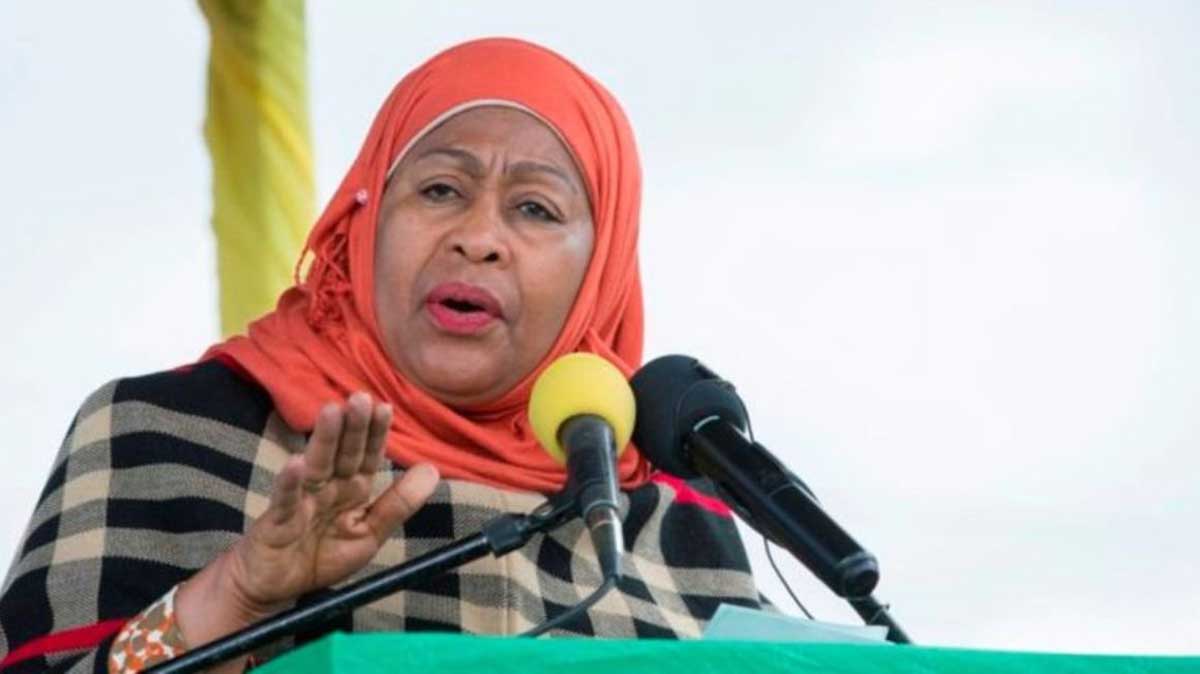
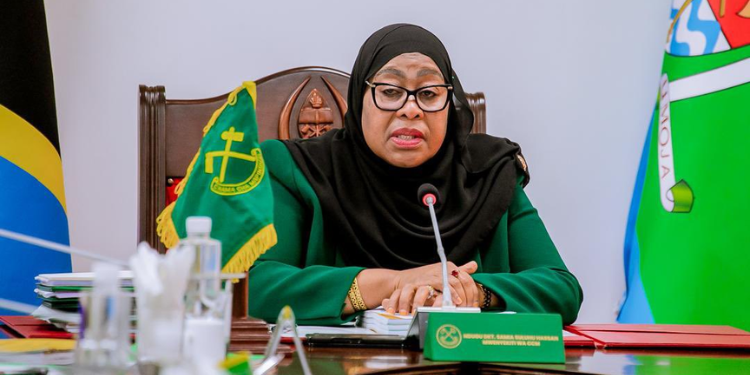
While officially presenting the report to President Samia Suluhu Hassan in Dar es Salaam, the Commission Chairperson, retired Chief Justice Mohamed Chande Othman, detailed both the human cost and the economic impact associated with the election period.
At the same time, he stressed the importance of continued reforms aimed at reinforcing democratic systems, strengthening institutional confidence, and preserving national unity.
Far from focusing solely on the immediate incidents surrounding the unrest, the report directs attention to broader structural governance concerns that extend beyond Tanzania’s borders.
These include the ability of institutions to effectively oversee political transitions, withstand periods of instability, and retain public confidence during highly contested electoral moments.
One of the most notable themes running through the report is Tanzania’s sustained preference for internally generated solutions when addressing national challenges, especially in relation to electoral management, political disagreements, and post-crisis recovery mechanisms.
This direction mirrors a wider governance trend emerging across sections of East Africa, where governments are increasingly relying on domestic institutions, constitutional structures, and locally anchored dialogue platforms as the principal means of handling political tensions and reform-related demands.
Rather than representing an isolated national approach, this development reflects an evolving regional governance landscape in which East African countries have, at different moments, balanced internal mediation efforts alongside varying levels of external diplomatic engagement and advisory intervention in addressing electoral disputes and constitutional transitions.
Analysts increasingly interpret this trend as evidence of a maturing governance environment, where states are gradually refining institutional identities shaped by their own historical experiences, political realities, and changing democratic aspirations.
At the core of the Commission’s recommendations is a proposal for a structured constitutional reform process, presented not as a short-term reaction to election-related tensions, but as a long-range strategy designed to reinforce democratic institutions and improve governance stability and predictability.
The report emphasizes that constitutional and electoral systems remain central pillars in managing political competition across East Africa, especially in societies experiencing rapid demographic expansion, heightened youth political participation, and growing levels of digital mobilisation.
Within this framework, reform is increasingly being viewed as part of a broader agenda of institutional consolidation aimed at deepening public trust, widening inclusivity, and strengthening the legitimacy of governance systems over the long term.
The findings also place considerable emphasis on the importance of institutional preparedness during politically sensitive periods, highlighting the need for effective early warning mechanisms, stronger inter-agency collaboration, and rapid response systems capable of managing rapidly shifting political situations.
Throughout East Africa, election cycles continue to serve as critical tests for governance institutions, particularly in balancing the maintenance of public order with the protection of constitutional freedoms amid large-scale political mobilisation.
The Tanzanian report therefore contributes to a growing regional emphasis on enhancing institutional capacity as a key safeguard against political escalation, ensuring that governance structures are prepared not only to administer elections, but also to maintain public confidence before, during, and after electoral contests.
In addition to political and institutional concerns, the report reinforces an economic reality that is becoming increasingly prominent in policy discussions across East Africa: the close connection between political stability and economic performance.
Periods of electoral disruption frequently result in direct financial losses for businesses, banks, investors, and small enterprises, while also affecting investor confidence, commercial activity, regional trade flows, and infrastructure expansion.
For developing economies within the region, institutional credibility and political predictability are therefore emerging as increasingly important determinants of economic competitiveness and long-term national development planning.
Another significant issue highlighted in the report is the growing role of digital platforms in influencing political participation and shaping public discourse across East Africa.
Social media platforms have evolved into major arenas for civic engagement, political messaging, and mass mobilisation.
At the same time, however, these platforms have introduced fresh governance challenges, particularly in relation to misinformation, the rapid spread of political narratives, and the speed at which tensions can intensify within digitally connected societies.
This changing digital environment is pushing governments and institutions throughout the region to reconsider regulatory strategies, strengthen media literacy efforts, and establish governance frameworks capable of balancing freedom of expression with the need to protect information integrity during politically sensitive periods.
Taken collectively, the Commission’s findings are increasingly being viewed not merely as a reflection on Tanzania’s 2025 electoral experience, but as part of a broader transformation unfolding within East African governance systems.
Across the region, governments continue to refine their approaches to electoral administration, institutional coordination, and public confidence-building while drawing lessons from both domestic political experiences and shared regional challenges.
At the heart of this transition is a gradual yet increasingly visible movement toward strengthening domestic institutions as the principal custodians of political legitimacy, while continuously adapting governance systems to pressures created by demographic change, digital transformation, and evolving citizen expectations.