A Sports Kenya official has been dragged to the High Court in a fresh anti-corruption petition that has piled pressure on public officials managing sports infrastructure, amid growing calls for accountability over the use of taxpayers’ money in major government projects.
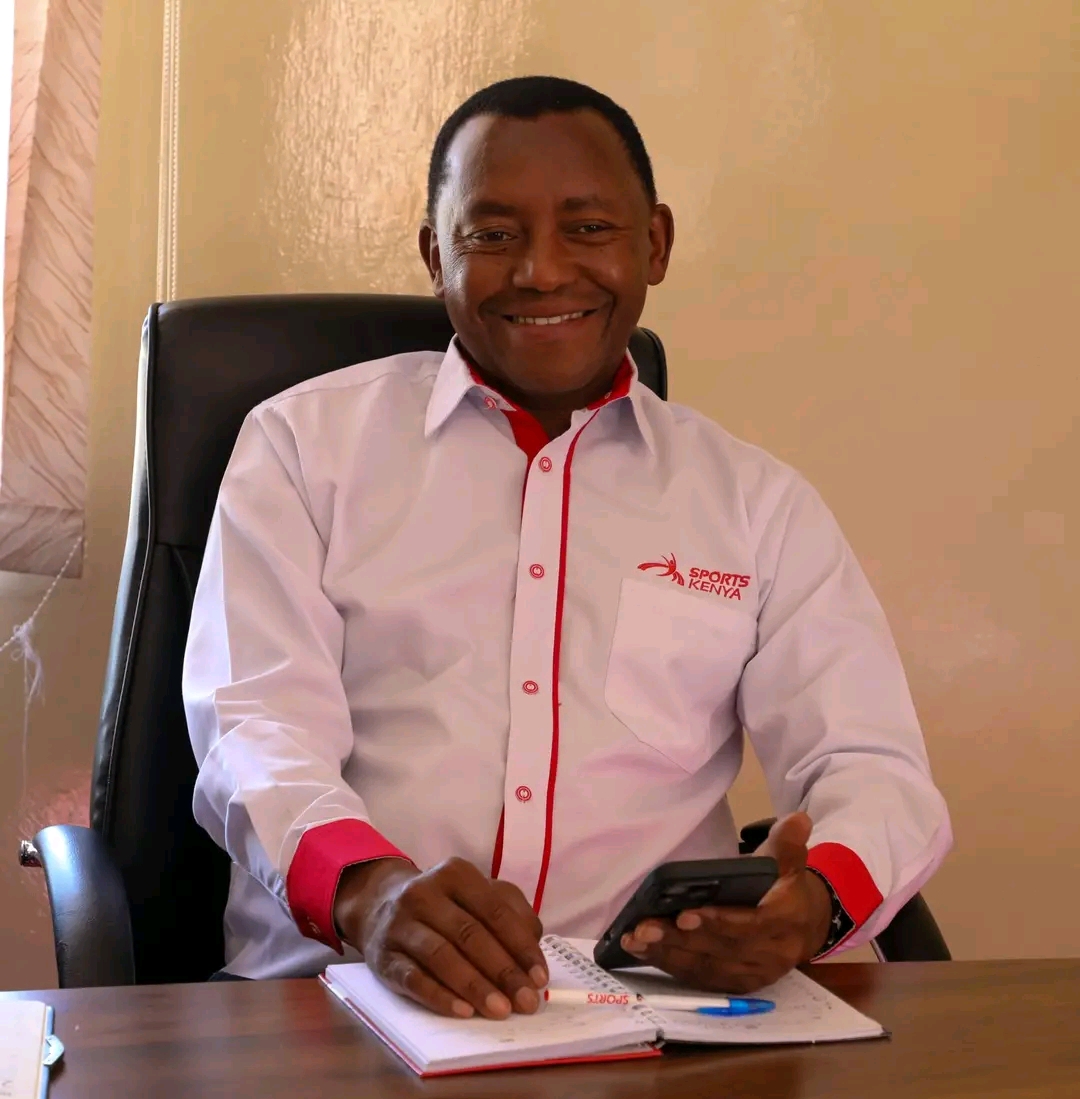
Gabriel Komora has been named as the 1st Respondent in High Court Anti-Corruption and Economic Crimes Petition No. E023 of 2026, a case filed by activist Francis Awino in Nairobi, bringing audit concerns surrounding Sports Kenya’s financial management into the courtroom.
The petition also lists the Ethics and Anti-Corruption Commission (EACC), the Assets Recovery Agency (ARA), and other government officials linked to sports administration, in what legal observers see as a widening push for accountability in the sports sector.
At the heart of the case are issues raised in the Auditor-General’s report for the financial year ending June 30, 2023, which flagged stalled infrastructure projects, unsupported expenditures, weak internal controls, and missing financial records within Sports Kenya.
Auditors questioned whether public funds allocated to sports infrastructure projects were properly utilized after site inspections reportedly found delayed and incomplete stadium works despite substantial payments having already been made.
In some cases, auditors indicated that value for money could not be confirmed, raising fresh questions over accountability in the use of public resources.
The report also highlighted governance concerns within Sports Kenya, including the absence of an active audit committee during the financial year under review — a lapse auditors said weakened internal oversight and accountability systems.
Previous audit queries were also cited as unresolved.
The court petition now moves those concerns from audit records to judicial scrutiny, where Komora and other respondents are expected to answer allegations touching on public finance management, institutional accountability and possible breaches of the law.
The petition places the allegations and audit concerns before the High Court for determination.
The case could become a significant test of accountability in public institutions, particularly in the management of sports infrastructure projects funded by taxpayers.
For Komora, the case marks a major legal challenge as the court examines whether the audit findings point to administrative lapses, governance failures or possible legal violations that may warrant further action by anti-corruption agencies.
The petition is expected to attract public interest as proceedings continue, with its outcome likely to shape broader debate on transparency and accountability in the management of public funds in Kenya’s sports sector.