Fresh controversy has emerged linking a company associated with tycoon Mohammed Jaffar to alleged interference in a high-profile defamation case, even as wider questions resurface about the troubled Mwananchi Gas project and the fate of the National Oil Corporation of Kenya (NOCK).
Alleged Bribery in a Defamation Dispute
In a matter already drawing public attention, it is alleged that earlier this month Solomon Ondego, reportedly under the guidance of Mohamed Jaffar and after consultations with lawyer Michael Oloo, orchestrated a bribe targeting High Court Judge Wendy Kagendo.
The claims suggest sh five million was delivered in cash within the Nyali area during evening hours. The rest of the balance sh ten million was to be delivered after the next mention of the case.
The company in question is accused of involvement in a defamation dispute connected to the family of Mining Cabinet Secretary Hassan Ali Joho and his brother Abu Joho.
Spirited Fight at the Mombasa High Court
At the center of the legal storm is Matilda Kinzani, a woman charged with allegedly defaming Hassan Ali Joho and Abu Joho through a social media post. She has mounted a spirited legal battle at the Mombasa High Court in a bid to halt her trial before Senior Resident Magistrate David Odhiambo.
Through her lawyer Jared Magolo, Kinzani moved to the High Court seeking orders to stop the proceedings in the magistrate’s court.
The application followed the trial court’s refusal to block the production of what was described as crucial forensic evidence believed to link the social media publication to a laptop belonging to her employer, Mohammed Jaffar.
Through lawyer Michael Oloo, Kinzani strongly opposed the admission of the forensic evidence, arguing that its source had not been properly produced in court by Police Inspector Joseph Kolum, who was testifying in the case.
When the matter came up before Justice Wendy Kagendo, Director of Public Prosecutions Renson Ingonga sought two additional weeks to file a response to the application. Kinzani is challenging the legality and admissibility of the forensic evidence allegedly linking her to the defamatory post.
The High Court extended interim orders staying proceedings before the magistrate’s court, effectively halting the prosecution pending determination of the application.
During the trial, the court heard that the accused is a secretary to Mombasa businessman Mohammed Jaffar. Kinzani maintains that the criminal case should not have proceeded in light of what she terms fundamental legal flaws surrounding the forensic evidence.
Bulkstream Claims and Alleged Payments
In widely shared information attributed to a representative of Bulkstream company, it was alleged that Mr. Jaffar gave orders for millions of shillings to be issued to judiciary officials so that “justice can be brought.” The money, according to the claims, was handed to Solomon Ondego, who allegedly delivered it in cash.
These allegations remain explosive and continue to fuel debate around judicial integrity and corporate influence.
The Mwananchi Gas Saga Resurfaces
Even as the courtroom battle unfolds, the Treasury has signaled a revival of the stalled cooking gas subsidy scheme.
The draft budget proposes distributing 300,000 six-kilogram LPG cylinders to low-income households over the next three years.
The subsidy initiative, first introduced during the 2016/2017 financial year by the Ministry of Energy, aimed to reduce reliance on kerosene and charcoal among low-income households.
However, the plan stalled amid controversy, with critics alleging interference by powerful business interests.
According to reports and audit findings by Auditor General Nancy Gathungu, significant public funds were spent on the Mwananchi Gas project without clear value for money.
Records indicate that 144,092 six-kilogram cylinders and related accessories valued at over Sh539 million were received from the State Department for Petroleum. Yet only a fraction were inspected and certified for use.
NOCK’s financial troubles further complicated the project. In the year to June 2020, the corporation recorded heavy losses, pushing cumulative deficits into the billions and raising concerns about its technical insolvency. Audit reports also flagged fuel losses between 2017 and 2019 valued in the hundreds of millions of shillings.
Management at NOCK responded to audit queries by blaming the State Department for Petroleum for failing to provide clear guidance on ownership and management of the cylinders following the 2018 handover.
Letters were reportedly written seeking clarity on pricing, subsidy application, and transfer of ownership.
Monopoly Fears and Economic Concerns
With Pro-Gas reportedly among the most expensive LPG brands in the market, concerns persist about monopolization within the sector.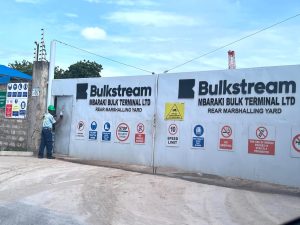
Critics fear that consolidation of control over LPG distribution could lead to artificial shortages and wider economic disruption.
As the High Court prepares to determine the admissibility of contested forensic evidence in the defamation case, and as the government signals renewed interest in subsidized cooking gas, the intersection of politics, business, and the judiciary remains under intense public scrutiny.
The coming weeks may prove pivotal not only for the individuals before the court, but also for broader questions surrounding accountability, corporate power, and the future of Kenya’s energy sector.