
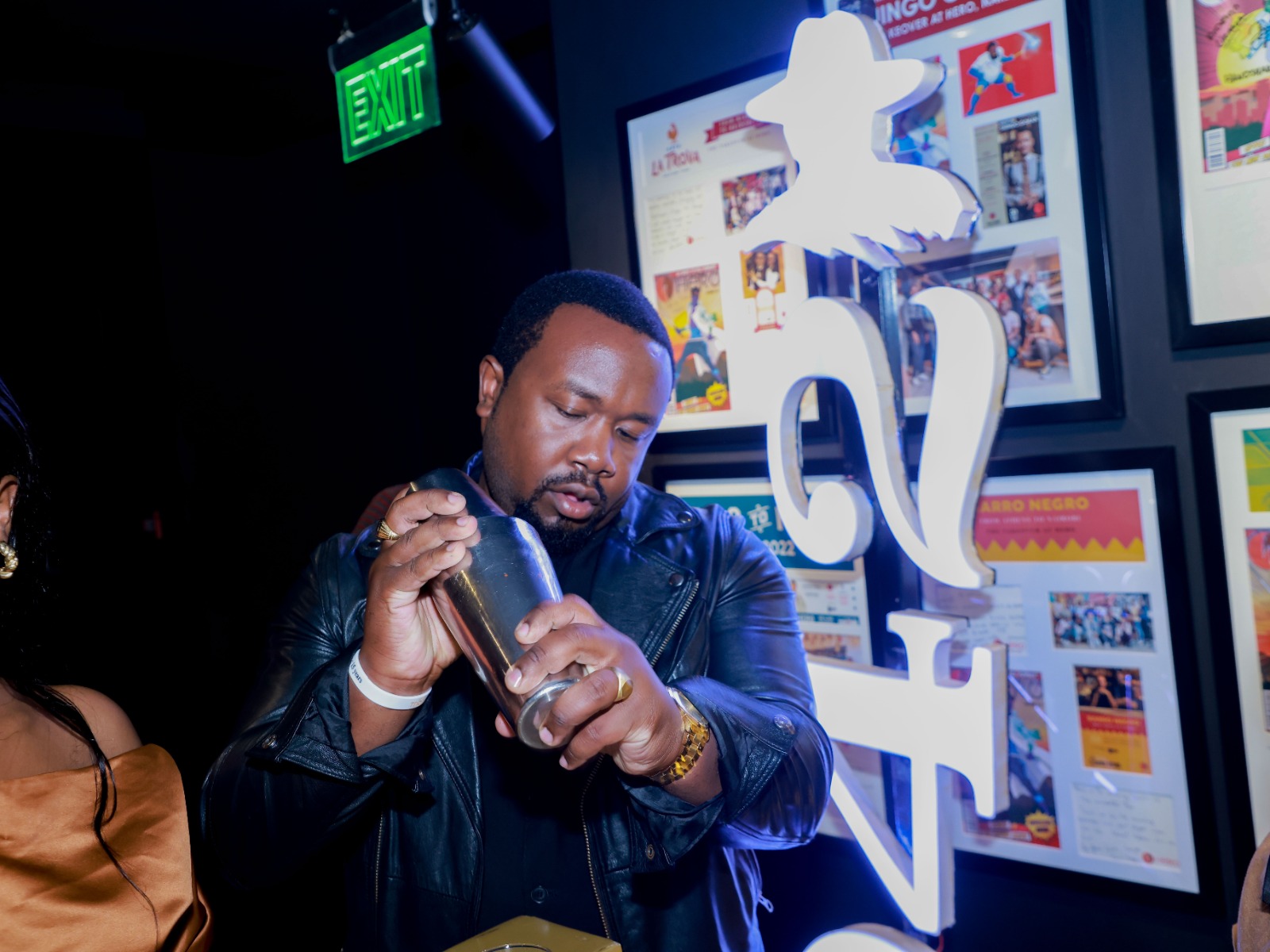
In Kenya’s evolving spirits culture, tequila is slowly shedding its reputation as a fast-paced party drink and stepping into more experiential moments. At the centre of this shift is Emmanuel Osinde, Tequila Brand Ambassador at EABL, whose work sits at the intersection of education, culture, and connection.
Osinde’s journey into the world of spirits began long before his professional role. “I was always curious to learn about different spirits,” he recalls. “At the time, there was very limited information, so I would read what was on the bottles and cases to understand what these spirits were about.” That curiosity eventually led him into the industry eight years ago, where his role evolved from consumer to educator.
It was during this transition that tequila began to stand out. Like many, his early experiences were rooted in shot culture—until a simple shift changed everything. “One time I had it as a long drink, mixed with juice, and from that day I became a big fan of the spirit,” he says. It was a moment that revealed tequila’s versatility and set the foundation for how he engages with consumers today.
A typical week in his role is anything but predictable. From visiting bars and restaurants to conducting training sessions and tastings, Osinde is constantly on the ground, shaping how people experience tequila. “A big part of the job is understanding what consumers like and helping them experience the brand in a better way,” he explains. Whether it’s refining cocktail serves or introducing simple alternatives like tequila with pineapple and a dash of spice, the goal remains the same—making tequila more approachable.
That approach is particularly important in a market where the perception of tequila is still evolving. “The simplest way to shift the shot culture is to show people something different,” he says. By introducing easy, drinkable serves and familiar flavours, consumers begin to see tequila in a new light. Cocktails like the classic Margarita often become the turning point, offering a balanced and refreshing introduction to the category.
For Osinde, Casamigos plays a key role in that transition. Made from 100% Blue Weber agave, the brand offers a flavour profile that is both premium and approachable. The Blanco, rested briefly, delivers crisp citrus and subtle vanilla notes, making it ideal for cocktails like Margaritas and Palomas. The Reposado, aged for seven months, introduces a softer, silkier profile with hints of caramel, while the Añejo, aged for over a year, brings depth and complexity with notes of vanilla, spice, and oak—best enjoyed neat or on the rocks.
“The beauty of Casamigos is that there’s something for everyone,” he says. “If you’re starting out, the Blanco is fresh and easy. If you prefer something richer, then the Reposado or Añejo gives you that depth.”
Beyond the liquid, Osinde sees his role as deeply rooted in culture. “It’s about being where the consumers are,” he explains. By immersing himself in spaces where people naturally gather—from bars to music experiences—he is able to introduce the brand in a way that feels organic rather than forced.
That connection to culture is also reflected in how he views tequila consumption. “There’s no ideal time,” he says. “The best time is now, as long as it’s enjoyed responsibly.” For him, tequila is less about occasion and more about the people you share it with. “The best moments are always with friends. That’s how Casamigos was created—from shared experiences and memories.”
This emphasis on connection mirrors a broader shift in consumer behaviour. Kenyan audiences are becoming more curious and informed, moving away from quick consumption towards more intentional drinking. “People can now distinguish between different types of tequila,” Osinde notes. “They understand flavour, they explore cocktails, and they are more open to sipping.”
His own preferences reflect that evolution. These days, he leans towards enjoying Casamigos on the rocks, though he admits a soft spot for a well-made spicy mango Margarita. For newcomers, however, his recommendation is simple: start with a classic. “A Margarita will make you wonder why you didn’t start earlier,” he says.
Ultimately, Osinde’s work goes beyond the drink itself. It is about shaping perception, one interaction at a time. “You learn to listen,” he reflects. “Some people don’t want to change how they drink, and that’s okay. But for those who are open, you can see the shift almost immediately.”
Through patience and consistency, tequila in Kenya is being redefined—not as something to rush through, but as something to experience, share, and return to.