President William Ruto has defended his administration’s economic record and outlined an ambitious KSh5 trillion transformation plan, even as criticism mounts over the state of the economy and the cost of living.
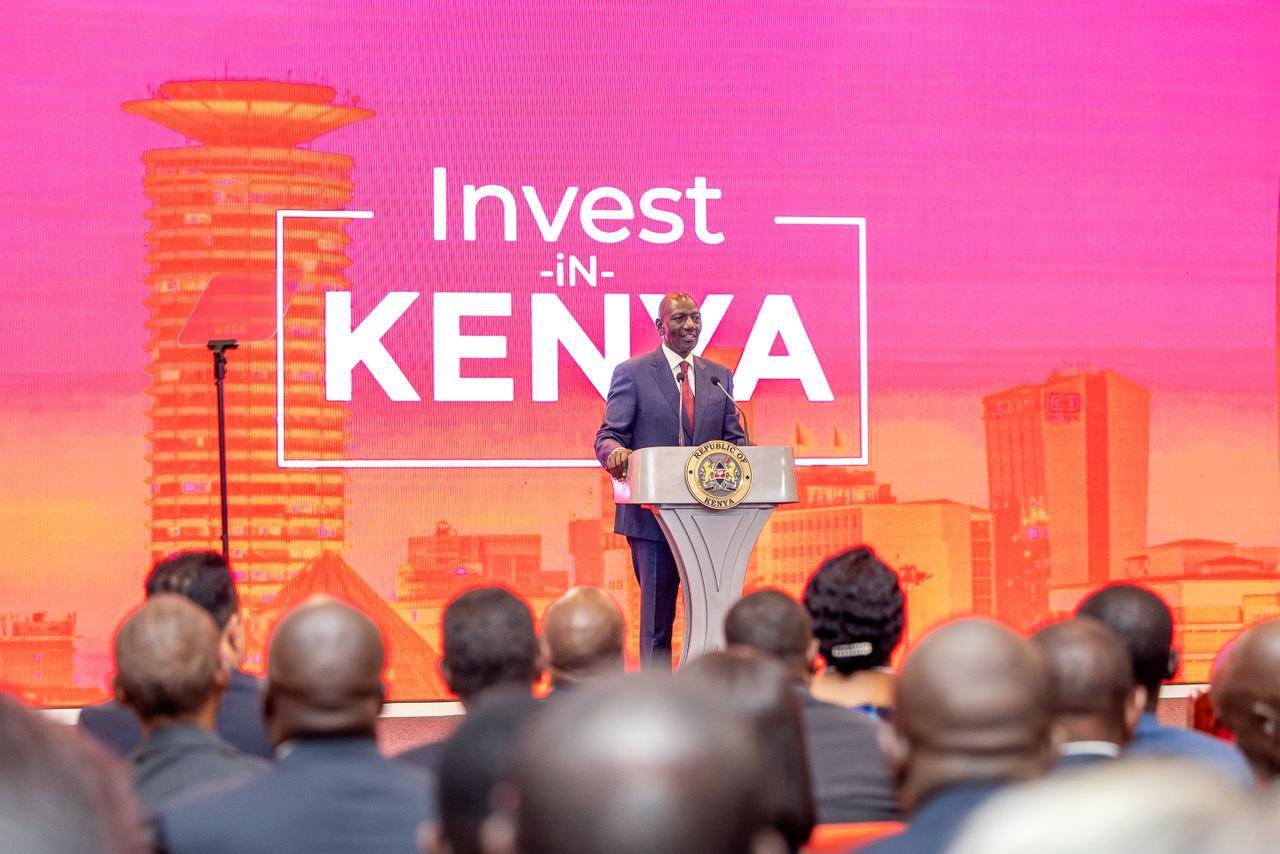
Speaking during the opening of the 19th Ambassadors and High Commissioners Conference in Nairobi, Ruto said his government had made “significant progress” and was positioning Kenya as a top investment destination.
“In the past three years, we have made significant progress in delivering our national transformation agenda,” he said, urging diplomats to “secure new markets, unlock opportunities and attract investment.”
The President has consistently maintained that his administration inherited a struggling economy in 2022, marked by high inflation, a weakening shilling and mounting debt, but has since stabilised key indicators.
Criticism over cost of living
However, analysts and critics say the gains have not translated into relief for ordinary Kenyans, with the high cost of living remaining a dominant political issue.
Economic analysts have dismissed some of the government’s policy measures, including proposed tax reliefs, as insufficient to ease pressure on households.
One analysis described recent tax cuts as a “politically driven gesture” offering minimal relief to workers already burdened by multiple deductions and rising living costs.
The administration is also grappling with voter fatigue linked to taxes, inflation and weak job creation, as it tries to balance fiscal discipline with growing public demand for relief.
Recent decisions, including a push to avoid new taxes in the 2026 Finance Bill, reflect the pressure the government faces after widespread backlash over previous tax measures.
Public discontent has in recent months spilled into protests, largely driven by economic hardship, unemployment and perceptions of poor governance.
Youth-led demonstrations have highlighted frustrations over rising costs, tax policies and alleged misuse of public resources, with critics accusing the government of failing to deliver economic relief.
The unrest has added a political dimension to the economic debate, with opponents linking the hardship to policy choices made by the administration.
Despite the criticism, there are signs of resilience in parts of the economy. The government says foreign direct investment has grown and inflation has stabilised, while new trade deals—such as a recently concluded agreement with China—are expected to boost exports.
At the same time, Kenya continues to face fiscal pressure, with rising debt obligations forcing the government to explore new borrowing options and alternative financing models.
Since taking office in 2022, Ruto has championed a “bottom-up” economic model aimed at empowering small businesses and expanding opportunities at the grassroots.