By Njeri Irungu,
2 March 2026,
Nairobi, Kenya.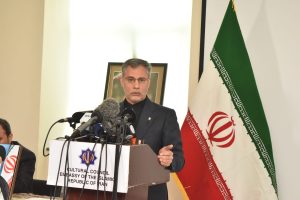
The Embassy of the Islamic Republic of Iran in Nairobi has sharply criticized recent military strikes carried out by the United States and Israel on Iranian soil, describing the attacks as unlawful and warning that they risk plunging the region into deeper instability.
Speaking at a press briefing in Nairobi, Iran’s ambassador termed the strikes a direct breach of international law and the principles enshrined in the United Nations Charter, which safeguards the sovereignty of member states. The envoy confirmed the death of Ali Khamenei, calling it a devastating loss for the Iranian nation but vowing that the country would remain steadfast.
Tehran maintains that the attacks hit both military installations and civilian-linked infrastructure across multiple cities, framing the operation as an act of aggression. Citing Article 51 of the UN Charter, Iran has asserted its right to self-defense, signaling that a response remains under consideration.
The embassy warned that Washington and Tel Aviv would be held fully accountable for any fallout, while also appealing for diplomatic engagement to prevent further deterioration. Iranian officials called for an urgent meeting of the United Nations Security Council, urging the global body to adopt binding resolutions to stop additional strikes and restore stability.
The ambassador underscored that the timing of the attacks — during the holy month of Ramadan and just before Nowruz, the Persian New Year — had intensified public anger and grief within Iran, amplifying the emotional weight of the events.
Kenyan officials have expressed concern about the escalating confrontation, encouraging all parties to pursue dialogue and restraint through multilateral channels. With Kenya’s economy closely tied to global trade and energy markets, authorities in Nairobi are watching developments carefully amid fears of broader repercussions.
Analysts warn that prolonged hostilities could disrupt oil supplies, strain diplomatic alliances, and heighten geopolitical tensions beyond the Middle East. While Iran projects defiance and demands accountability, Western governments have defended the strikes as targeting strategic military assets amid ongoing disputes over Iran’s regional influence and weapons ambitions.
As calls for diplomacy grow louder, the international community faces mounting pressure to prevent a crisis that could reverberate far beyond the immediate theatre of conflict.