Chapter 4 Warns of Shrinking De
By Njeri Irungu,
December, 16 2025,
Nairobi, Kenya.
Human rights organisation Chapter 4 has raised alarm over what it describes as a worrying democratic regression across parts of Africa, warning that Kenya risks sliding down a similar path unless urgent safeguards are put in place ahead of the 2027 General Election.
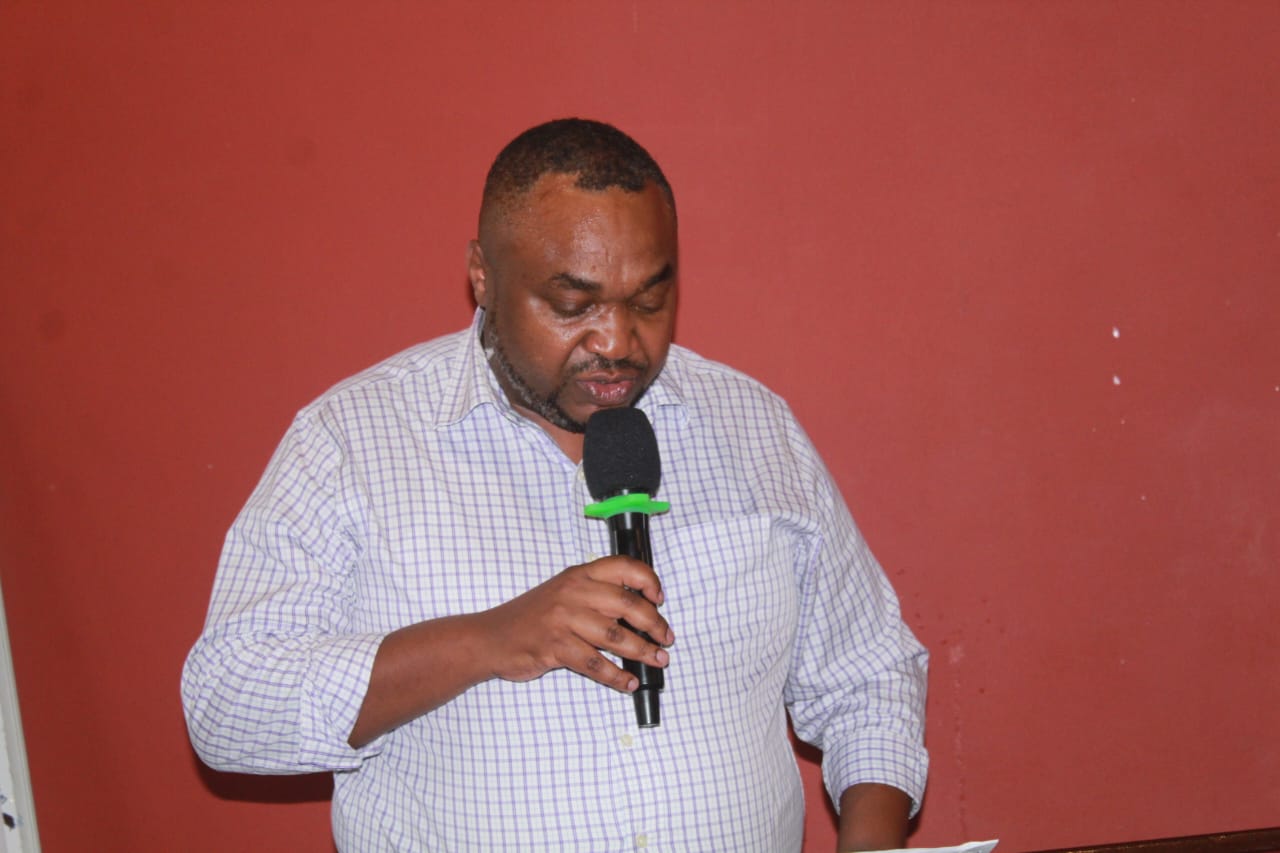
Speaking during a regional symposium on human rights and electoral integrity, Chapter 4 leaders pointed to recent elections in Cameroon as a stark example of entrenched authoritarianism. The organisation cited reports of pre-election violence, widespread bribery, and the continued rule of a president over 90 years old who has remained in power for more than four decades.
“That reality raises serious questions,” the speaker noted. “Does that country not have younger generations? Does it not have new voices and wisdom to offer leadership?”
Attention also turned to Tanzania, long regarded as one of East Africa’s most stable and peaceful nations and a pillar of regional trust. With key East African institutions — including the African Court of Justice — headquartered in Arusha, Tanzania has historically been viewed as a democratic anchor within the region.
“It was therefore deeply shocking to witness a deterioration marked by human rights violations, disregard for electoral rules, and the jailing of opposition figures before elections,” the speaker said, adding that such practices were reminiscent of darker chapters in Kenya’s own past.
Uganda was described as a “tragic case” for East Africa, with the continued detention of a prominent opposition leader labelled an embarrassment for the region. Chapter 4 criticised the silence — and, in some cases, tacit support — of regional political leaders in the face of these developments.
Against this backdrop, the symposium was convened to help Kenya safeguard its democratic gains. Speakers reflected on the Gen Z-led protests of 2024 and 2025, which were met with killings, abductions and mass arrests, despite constitutional guarantees of freedom of expression, movement and speech.
“When a country ignores its constitution in peacetime,” the speaker warned, “what should we expect when elections approach?”
The forum brought together human rights defenders, peace builders, election experts and former electoral officials to examine a growing continental trend of shrinking civic space. Participants agreed that early action was critical, particularly through 2026 and early 2027, to prevent Kenya from replicating the experiences of Cameroon, Tanzania or Uganda.
The discussion also addressed Kenya’s recent by-elections, with concerns raised over government silence in the face of emerging tensions.
“When the government is silent, citizens must speak,” the speaker asserted. “This is the moment to speak loudly.”
Chapter 4 emphasised that Kenya’s resilience has historically rested on an active civil society and a strong human rights movement — gains that must be defended. Veteran activists acknowledged they had once believed the 2010 Constitution had resolved Kenya’s governance challenges, but said recent events had forced many back into action.
“If Kenya falls, East Africa falls,” the speaker said, describing the country as a regional beacon whose stability underpins the East African Community.
The organisation reminded attendees of Kenya’s historic role as a diplomatic anchor, noting that both the Somali and South Sudanese governments were once sworn in on Kenyan soil — a testament to the country’s standing on the continent.
In a closing warning to political leaders, Chapter 4 stressed that power belongs to the people.
“This nation is not owned by politicians,” the speaker said. “They are stewards, not masters. We are watching, and we will not accept the erosion of our democracy in silence.”
The conference concluded with the identification of six major drivers necessary for free and fair elections in 2027, including protection of opposition actors, reopening civic space, independence of police and security agencies, institutional autonomy, strategic litigation, and sustained civic education and mobilisation.