Most people only truly understand the value of health insurance on the day they need it.
Health is often described as wealth, yet for many families this reality only becomes clear when illness strikes unexpectedly. In a world of rising medical costs, lifestyle-related diseases, and sudden health emergencies, health insurance in Kenya is no longer a luxury or a “nice-to-have.” It has become a financial and social necessity. From an expert perspective, comprehensive and affordable health cover is one of the most practical tools individuals and families can use to protect both their wellbeing and long-term financial stability.
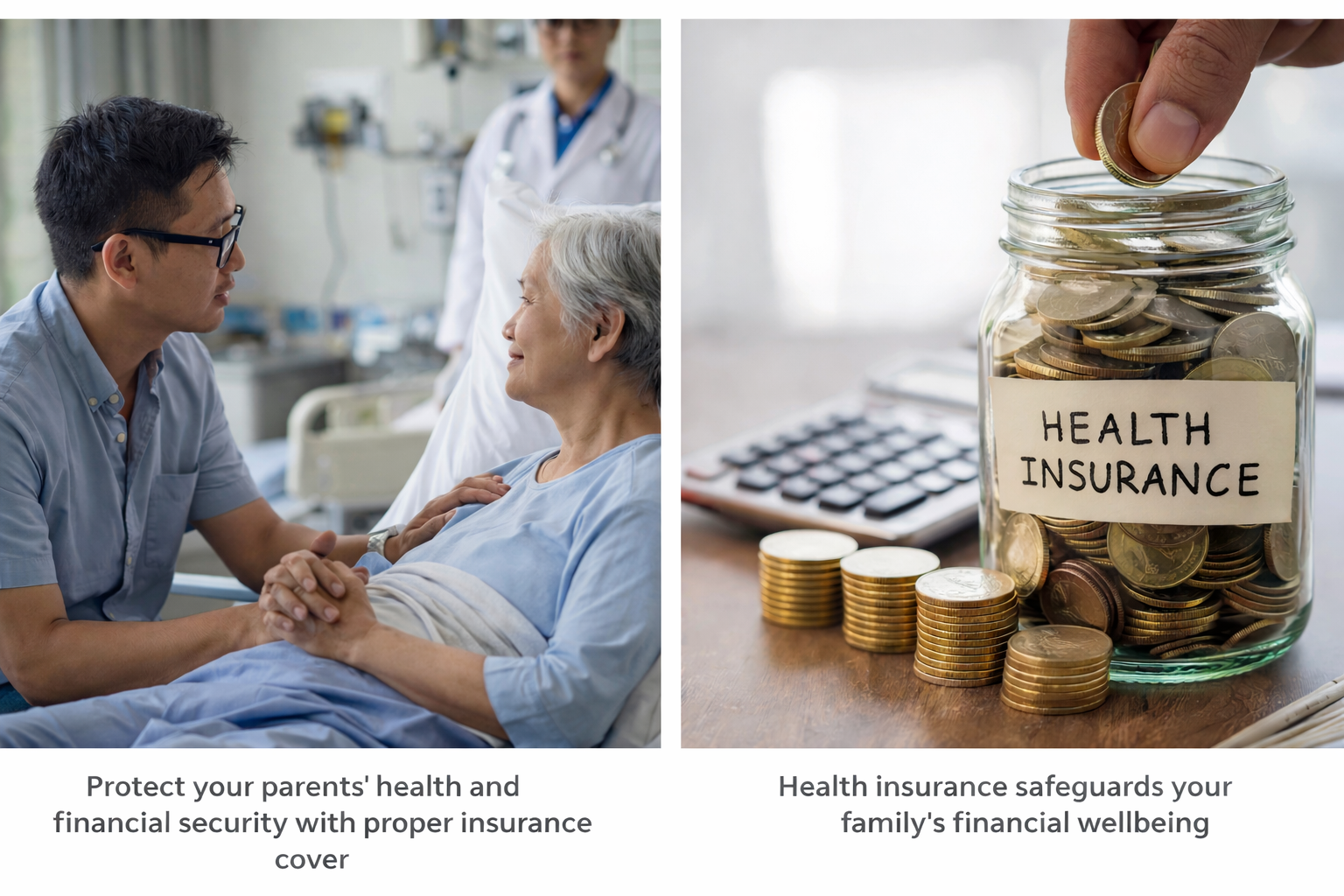
At its core, health insurance offers protection against uncertainty. No one plans to fall sick, suffer an injury, or require surgery, yet such events cut across all ages and income levels every day. Without insurance, a single hospital admission can erase years of savings, derail business plans, or plunge families into debt. A reliable health cover absorbs the shock of medical expenses, allowing patients and their loved ones to focus on recovery rather than scrambling to raise hospital fees. For many Kenyan households grappling with a high cost of living, this financial cushioning is reason enough to view health insurance as essential.
Beyond emergencies, health insurance plays a crucial role in promoting preventive healthcare. Many modern policies include annual medical check-ups, wellness programmes, vaccinations, and screenings for common conditions. These benefits encourage early detection and timely treatment, reducing the risk of complications and lowering long-term healthcare costs. Prevention is not only better than cure; it is also more affordable, sustainable, and vital for improved health outcomes.
Access to quality healthcare is another major advantage. With dependable family health insurance, policyholders gain access to a wide network of hospitals, specialists, and healthcare providers. This often translates into shorter waiting times, better-equipped facilities, and specialized care that might otherwise be out of reach. For families, this assurance is invaluable.
Medical decisions can be guided by what is best for the patient, not by what is affordable in a moment of crisis.
Health insurance also supports income protection. Illness does not only result in medical bills; it can also lead to lost income through time away from work or reduced productivity. Some policies offer additional benefits such as hospital cash plans or critical illness riders, providing lump-sum payouts upon diagnosis. These funds help families meet everyday obligations like rent, school fees, or loan repayments, ensuring financial stability during recovery.
From a broader economic perspective, health insurance encourages financial discipline and resilience. Regular premium payments promote planning and risk management, reducing dependence on emergency fundraising, asset sales, or high-interest borrowing during health crises. For employers, providing health insurance improves staff morale, productivity, and retention, while lowering absenteeism linked to untreated illnesses.
Importantly, health insurance evolves with different life stages. Young professionals may prioritise outpatient services and maternity benefits, growing families often seek comprehensive inpatient cover, while older individuals value chronic disease management and specialised care. A flexible health insurance plan grows with its policyholder, adapting to changing health needs and financial realities.
Ultimately, the true value of health insurance goes beyond settling hospital bills. It delivers peace of mind, dignity, and stability during moments of vulnerability, empowering individuals to seek timely, quality care without fear of financial ruin.
Access to health insurance is also becoming more practical. Recognising that lump-sum premiums can strain household budgets, some insurers now allow premiums to be paid in instalments, spreading costs over manageable periods.
This flexibility offers relief to families, individuals, and businesses balancing multiple financial commitments while still ensuring access to quality healthcare. Jubilee Health Insurance is among the providers offering this option, reflecting a broader industry shift towards making health cover more inclusive and aligned with real-life income patterns.